Aeronautical and Aerospace Prototypes
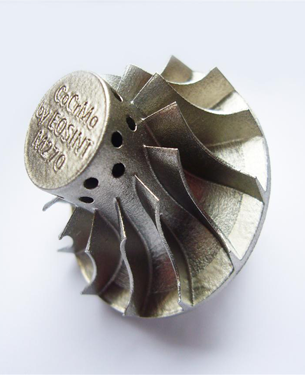
Aeronautic companies searching for FAR25.853 certified prototype materials need look any further.
 The Independent Resource for all Users of Rapid Prototyping, Rapid Manufacturing, & 3D Printing
Aeronautic companies searching for FAR25.853 certified prototype materials need look any further.
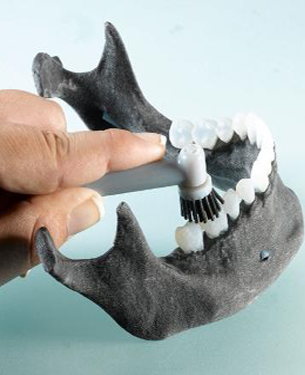
Dental scanning technologies married with high precision rapid prototype dental technologies are spurring a digital revolution in the world of dentistry.
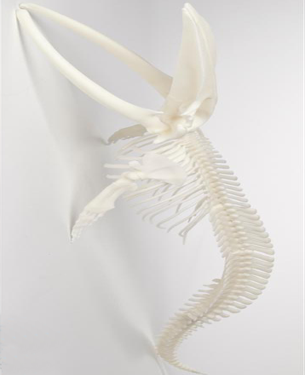
scale models such as cars, telescopes, building complexes for developers, bikes, satellite modules, architectural models, military models and more.
The Independent Resource for Users of Rapid Prototyping, Rapid Manufacturing & 3D Printing.
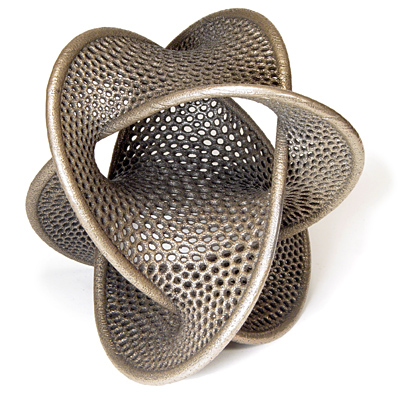
The power of technology is always growing in my opinion and a perfect example of this is stereolithography. When this new technology was created it made many things possible like some great creations of prototypes. It really is amazing how much this power of technological advancement has grown over time and what things are capable as a result of this technology.
There are so many benefits to using rapid prototyping, however there is one major one to point out. Rapid prototyping has exact manifold advantages included. When your company is using a prototype it actually allows you as well as potential clients alike to see a fair rendition of the final product before it is actually produced. This form also allows everyone to visually see a product before that product has actually gone into production.
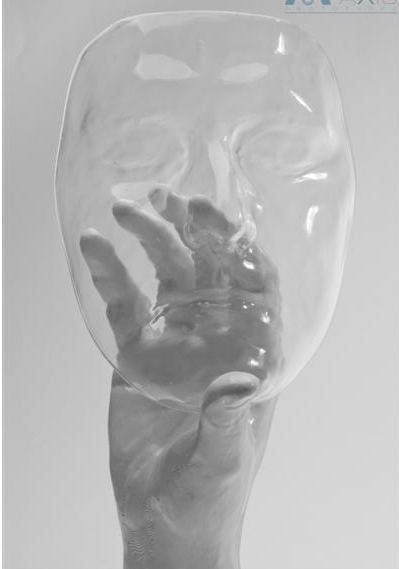
3D printing technology is the quick, efficient, and automatic construction of 3D objects. You can purchase a machine that does this from Genistar that offers Prodways Industrial 3D printers. So, if you need a statue of yourself or other person for your business to represent someone, this is a unique way to create the 3D image. You can even use one of these devices to create your own toy. Models created are pretty much all one color until you add other colors to the final project.

You would be hard-pressed to find another company in the additive manufacturing business that has had as many advances in the past year or so than Pennsylvania-based ProMetal. First, it debuted a line of decorative metal-based hardware and art, as sold by their Metaltec Innovations division. Then, it optimized a pioneering glass-based process that is just a couple of weeks from commercial roll-out. Finally, it developed a new 3D printer that, due to its size and speed, instantly makes obsolete their existing line of printers.
Yet, due to newness of the technology and the confusing array of market opportunities it creates, ProMetal still seems to be groping its way down a dark hallway, trying doors, and finding some of them locked.
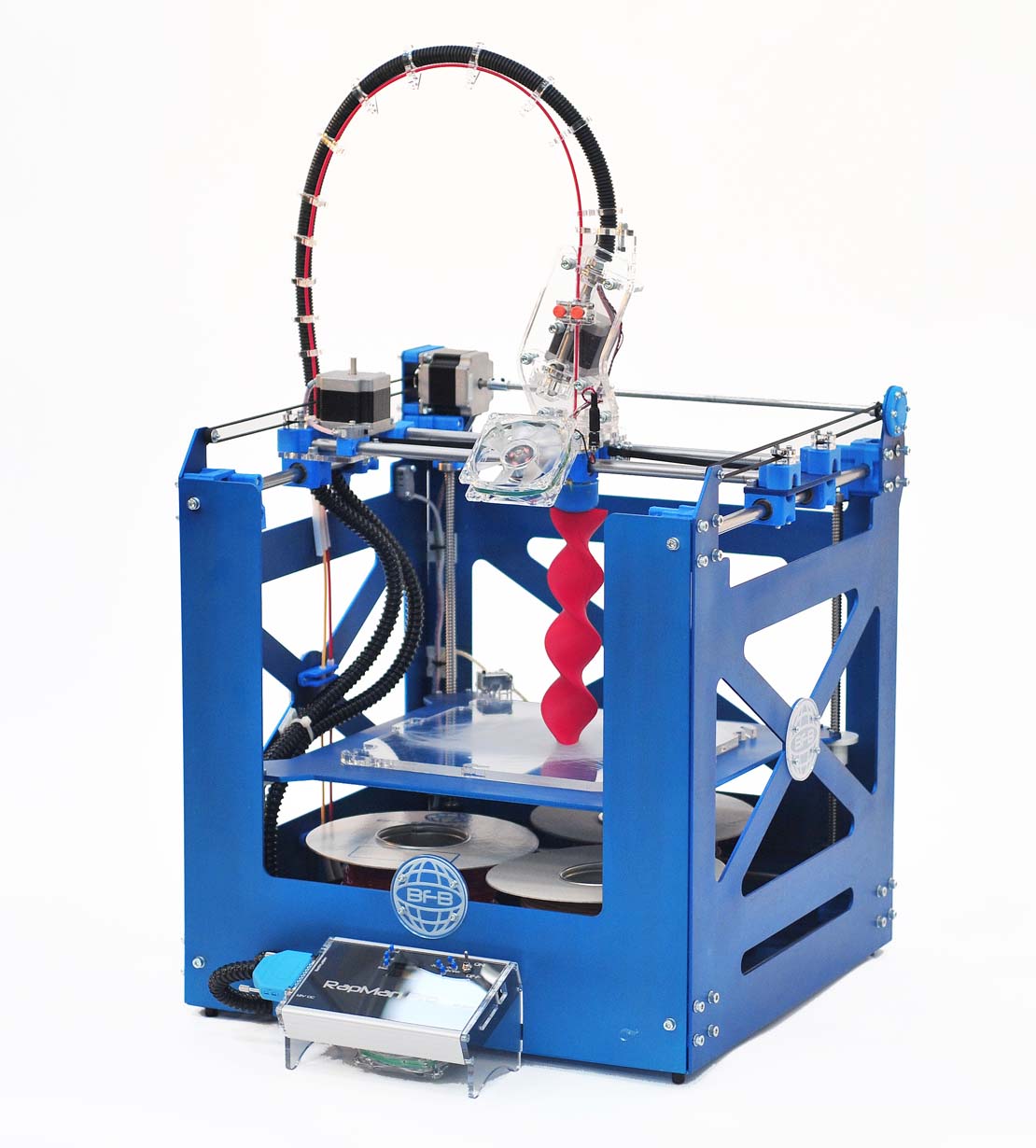
This guest article is written by A1 Technologies CEO Martin Stevens. London-based A1 sells the low-cost RapMan 3D printer, along with other low-cost 3D scanning and haptic touch modeling products.
The views expressed in this article are solely those of Martin Stevens. Also, factual content has not been independently verified. No payment has been made to or from Martin Stevens or A1 Technologies for the appearance of this guest article.
**********
Since the earliest origins of 3D Printing there have been many discussions, articles and reports generated about the ‘revolutionary potential' that this technology offers to the world at large, and more specifically, to the world of manufacturing. The technology emerged commercially more than 20 years ago when it was labelled rapid prototyping (RP), a term that is still commonly recognized and used today.
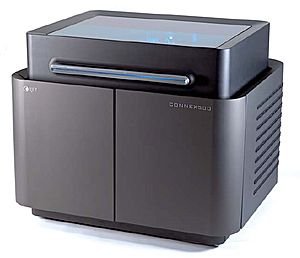
If you were to source the 3D printer that has the best combination of material selection, office compatibility, and part accuracy, performance and finish, you'd probably pick an Objet Geometries printer. The Israeli company is an innovation leader - owning over 50 patents and patents pending - and is the only company that offers a 3D printer that will perform multiple-material part building.
This month RapidToday interviewed Gilad Gans, Objet's executive vice president of marketing, sales and business development. Following is an edited transcript.
RapidToday: How much has Objet been growing in recent years?

Since soon after it was developed, people in the rapid prototyping field have talked about replacing the industry-standard STL file format. Yet it has endured for 22 years.
Still, the pressure for change builds. And now there is a mechanism that may allow it to happen. The ASTM Committee on Additive Manufacturing Standards (F42) had its first meeting in July, and agreed to form a task group to recommend a new file format standard, dubbed STL 2.0.
"The time is right. It's time for a change," says Hod Lipson, chair of the ASTM task group on file formats. In Lipson's day job as associate professor at Cornell University he has seen first-hand the limitations of STL. With a couple graduate students, Lipson developed the remarkable low-cost open-source Fab@Home fabbing machine. He also runs the school's Computational Synthesis Laboratory. He's also engaged in developing self-aware and self-replicating robots.
Go to top of page